


As a child, Nicholas Percoco pretended he was a 9-year-old from the future, stuck in the primitivist past. He was obsessed with the shape of things to come, like the guy down the street with a car phone.
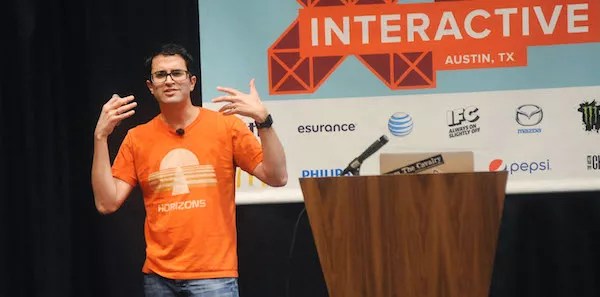
Nothing intrigued him more than the Horizons ride at EPCOT. It was filled with items and concepts that are universal now, like robot cars and teleconferencing. Looking back, he admitted, that vision was accurate but painfully naive. “Everything worked,” he said, but the truth is, technology has always been dangerous: toasters go on fire, Walkmen could eat your tapes and give you hearing damage, and your Roomba could swallow your hair (don’t laugh, that has really happened).
Disney closed Horizons in 1999 to make way for the Missions: SPACE ride. But if Percoco built Horizons 2.0, extrapolating current technology into future possibilities, how would it look? Not so shiny and reflexively optimistic as the original. Think doxxing is bad? Imagine someone hacking your robosurgeon. Or a software error in your self-driving car.
So while not inevitably the Darkest Timeline, the rapidly evolving Internet of Things is perilous. The innocent futurist Percoco now works for Rapid7, a security consultancy that firms call when everything goes wrong. To date, the concerns have been about securing the traditional data of the Internet, and that’s where hackers have been deployed, testing those systems to destruction. The challenge now is to establish that same culture, as well as the right regulatory environment, to secure the Internet of Things. To make sure the Horizons of the future doesn’t end up a chamber of horrors, he argues, we better check the tracks right now.
Security of Things: Who Will Save Us?
Friday, March 13, JW MarriottKeep up with all our dispatches from SXSW at austinchronicle.com/sxsw or follow our Festival alias at @ChronSXSW.
This article appears in March 20 • 2015 and March 13 • 2015.
