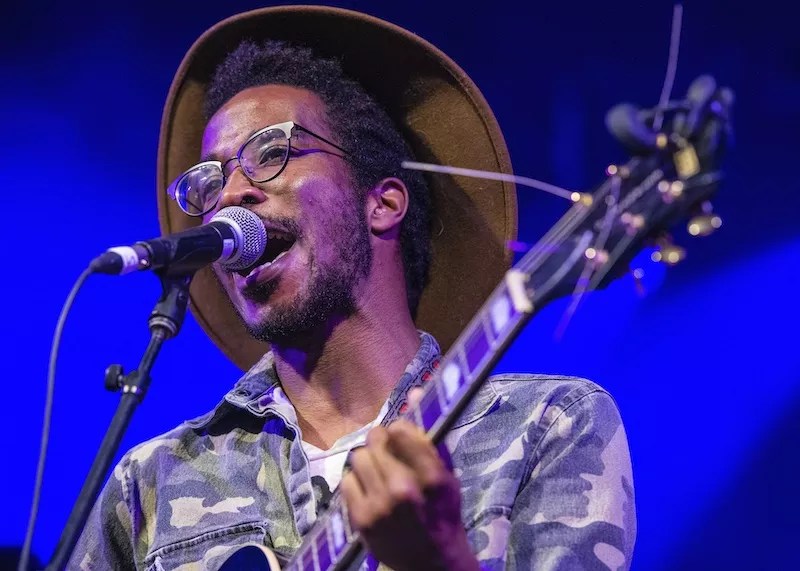
“The most stressful part of COVID-19 has been how it puts my family at risk,” revealed Trey Privott back in May. “My parents own a medical practice, where my father is a physician and my mother manages his office. They’ve remained healthy thus far, so I’ve been lucky there.” Seven months later, the frontman for psych-soul locals Los Coast checks back.
Austin Chronicle: Where are you sheltering and under what circumstances? Who else is there and how’s that going?
Trey Privott: I am sheltering in my apartment with my dog, Rocky. I’ve been listening to the new phenomenal music that’s coming out and working on my own. Finally started Questlove’s book CreativeQuest, which I’d been putting off. I’m doing my best to take care of myself and create things.
“I think we saw a bit of what happens when people don’t have access to channels to express themselves. People thrive when they have therapeutic outlets.”
AC: At what point did C-19 shut down operations for you, and what went down with the ship, so to speak, both personally & professionally?
TP: SXSW. Facebook was the first to cancel and we were scheduled to play their party. We were hoping to make it to Europe this year, so that was a thing we’re pushing until later.
AC: As a global culture, people employ music for every purpose imaginable, obviously spanning religion to entertainment and everything in between. What happens to communities like ours when people can no longer access it in person?
TP: I think we saw a bit of what happens when people don’t have access to channels to express themselves. People thrive when they have therapeutic outlets. Music brings people together in a special way. It reminds us of our common interests.
It’s an intangible that we carry with us in our hearts.
I think live music gives our communities a release from the Sisyphean day-to-day of American existence. It’s our communal meditation. In my mind, its vitality is ultimate.

AC: Everyone’s had to shift or drastically alter their work situation. What does that look like for you?
“I think live music gives our communities a release from the Sisyphean day-to-day of American existence. It’s our communal meditation. In my mind, its vitality is ultimate.”
TP: I’ve been prepping new songs and selling merchandise online. I’ve played a few acoustic, socially-distanced shows to feel the vibe, but mostly just writing, planning, and organizing. We dropped some cover tracks this year. I made a video for one of the songs with a friend.
AC: What’s your soundtrack for the apocalypse and what role does music play for you as a fan and scholar of it in times of hardship?
TP: My quarantine playlists rock D’Angelo, Nipsey Hussle, Sturgill Simpson, Young Thug, Phoebe Bridgers, Earthgang, Kendrick [Lamar], Kevin Morby, Lauryn Hill, Tom Waits, Pharrell [Williams], Anderson Paak, James Blake, Kanye [West], Roddy Ricch, Jeremih, Gucci Mane, Migos, Alan Lomax, Bob Marley, Sufjan [Stevens]…
As a music fan, I’m constantly looking for new music and trying to find new sounds that inspire. Without live shows, that process became more intentional, so I’ve just been listening to as much as I can in the morning to start my day off. Music is my rock in hard times. I’ve listened to a lot of meditation music and gospel music as of late to keep my energy balanced.

Check out the entire Checking In series.
This article appears in December 11 • 2020.