Revolution starts in the mind. Five years dormant, Austin indie curanderos Heartless Bastards suddenly advocated “Revolution” on July 3. “Revolution is about self love,” wrote author/oracle Erika Wennerstrom on Bandcamp about the Jefferson Airplane-like anthem. “If people loved themselves more there wouldn’t be racism, bigotry, and classism.”
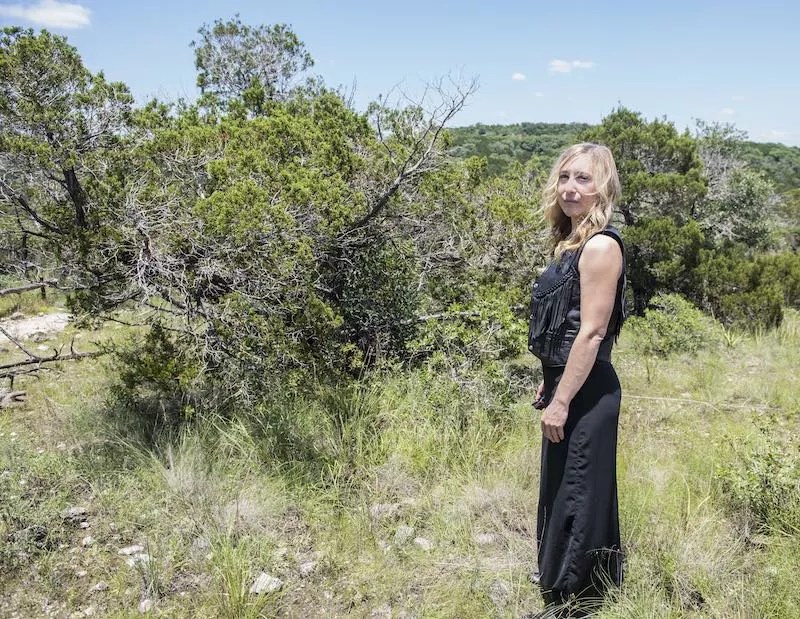
Austin Chronicle: Where are you sheltering and under what circumstances? Who else is there and how’s that going?
Erika Wennerstrom: I’ve been at my home in Lockhart. I live alone, but I got a puppy in late March. Her name’s Piper and she’s been so great to have around. I’ve just been trying my best to find the silver linings in each day.
AC: At what point did C-19 shut down operations for you, and what went down with the ship, so to speak, both personally & professionally?
“It’s been really challenging to find a record label during the pandemic, but thankfully some things are starting to look bright in that area”
EW: I had just finished the next Heartless Bastards record on March 1st, flew home the 5th, and even before the shutdown by the 12th, I stayed in on the safe side. It’s been really challenging to find a record label during the pandemic, but thankfully some things are starting to look bright in that area.
I think it’s the strongest album I’ve ever made, and I’m so thankful things are starting to come together.
I had a month-long tour in April with Andrew Bird cancelled, and I had intended on announcing a full U.S. headline tour for HB’s in the fall, but we’ve moved that to next year. I guess these days I’m just trying to adapt to the new state we’re in. I think there are silver linings in there.
I have long phone conversations with old friends. I talk to people more than I text. I’ve grown closer to my family. I’ve learned so much about myself, and I’m just eliminating lots of random bullshit in my life in general.
It’s a good time to clean house spiritually and also literally bust out the Lysol.

AC: As a global culture, people employ music for every purpose imaginable, obviously spanning religion to entertainment and everything in between. What happens to communities like ours when people can no longer access it in person?
EW: I think we just adapt as we have in humanity always. These online shows allow some way to connect. It’s certainly not ideal, but that’s just the reality we’re in.
Music is medicine and I think it can be very helpful in comforting people through these challenges. Where there’s a will there’s a way. I definitely have concerns for the future of our music community.
“I think there are silver linings in there: I have long phone conversations with old friends. I talk to people more than I text. I’ve grown closer to my family.”
My tour was moved to next year, but then I wonder if the venues will still be around. I really hope our government does something to help these businesses survive. It’s hard to imagine Austin without music venues. We will find a way to rebuild regardless, but help from the government would help how quickly we can rebuild.
I’m just hoping for the best for us all.
AC: Everyone’s had to shift or drastically alter their work situation. What does that look like for you?
EW: I’ve experimented with some livestreams. It has been a huge learning process. I had no idea how complicated it could be.
I’ve tried so many different methods, each time learning what not to do as I go along! I think people are very understanding, though, and I feel really blessed to have some lovely supportive fans. I would have imagined writing more during this time, but I think I’ve just been processing so much it’s been hard to focus on being creative.I’m starting to feel very inspired, though.
AC: What’s your soundtrack for the apocalypse and what role does music play for you as a fan and scholar of it in times of hardship?
EW:
“Can You Get to That,” Funkadelic “Walking on a Pretty Day,” Kurt Vile “Look at Miss Ohio,” Gillian Welch “Brighter,” Cass McCombs “Halleluwah,” Can “Amish Paradise,” Weird Al “Cuando Vives Conmigo,” Chavela VargasI think music and other forms of artistic expression are reminders we aren’t alone in our thoughts. It can express something you feel already, or it can say something in a way that can make you look at the world in a different way and challenge you. It’s medicine.
Check out the entire Checking In series.
This article appears in July 31 • 2020.