Nasum/Church of Misery
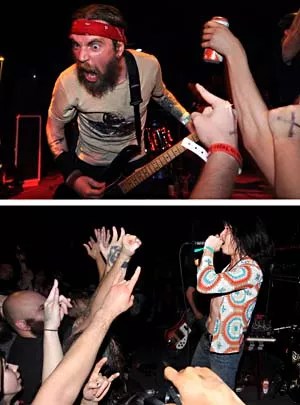
Red 7, May 31/June 1Hard rock and heavy metal – more so than ubiquitous indie rock, and probably punk – remain mostly immune to lineup fluctuations. Ozzy gets booted from Black Sabbath, here comes Ronnie James Dio. Swedish grindcore gods Nasum dispersed when frontman Mieszko Talarczyk perished in the 2004 Thailand tsunami, but, marking its 20th anniversary, the band recruited a singer for one last hurrah (including nine U.S. dates and a Chaos in Tejas Thursday headline slot). And not just any grunt: Keijo Niinimaa of Finnish crushers Rotten Sound. “Last show for Nasum in North America,” roared Niinimaa 50 minutes after the set’s air raid sirens had gone off, his serrated caw coming in burp gun bursts over the group’s blitzkrieg grindhouse. “Last song ever on this continent,” huffed Niinimaa, encoring. Similarly, Tokyo’s Church of Misery – on its maiden American tour 15 years into its existence – didn’t simply import its current roster, in flux now several years. High priest bassist and sole serial-killing song composer Tatsu Mikami instead reassembled his band’s peak Houses of the Unholy configuration. With bellower Hideki Fukasawa ripped and stripped in Roger Daltrey mode and Aussie Les Paul detonator Tom Sutton doing his best Jimmy Page, Church of Misery packed Red 7’s front room with frenzy-inducing atomic doom rock, “Born to Raise Hell (Richard Speck)” and closer “I, Motherfucker (Ted Bundy)” proving Mr. Hyde to the more polished Hammer of the Gods visited often on ATX by Japan’s Dr. Jekyll, Boris. Y’all come back now, y’hear?
This article appears in June 8 • 2012.