

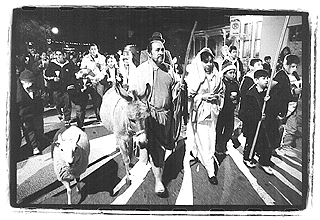
 The Ol� Mexico Association lead their fourth annual posada procession down East Sixth Street, stopping at homes and businesses photograph by John Anderson |
corner of East Seventh Street and Pleasant Valley Road. A neighborhood church
organization had prepared them as a fundraiser and enthusiastic salesmen were
flagging down busy weekend shoppers with cries of “Red hot tamales, get your
red hot tamales right here!” They were delicious, not too spicy or greasy, with
plenty of beef filling, just the right meal for a brisk December day. People
gathering to make tamales and others lining up to buy them is a sure sign it’s
Christmas in this part of the world.
Tamaladas, or tamale-making gatherings, are an ancient New World
tradition that long pre-dates the Spanish conquest. The process is
labor-intensive and best done with a large group, the perfect occasion for a
family party. Perhaps the native peoples of Mexico added their tamale-making
ritual to a religious pageant brought to Mexico by Spanish missionaries in the
early 1600s. In Mexico, the Christmas season begins on December 16 with las
posadas, a series of nine nightly processions that recreate Mary and
Joseph’s pilgrimage to Bethlehem and their search for shelter for themselves
and the baby Jesus. The pilgrims stop at homes requesting lodging and after the
rituals are performed, they are welcomed with food and drink, music and the
breaking of a pi�ata. The traditional foods are tamales, pan
dulces (sweet breads), ponche de posada (holiday punch), and hot
chocolate.
I was busy checking with local Mexican restaurants and community organizations
about their holiday plans and encountered evidence that the historic
observances of tamaladas and las posadas are alive and well in
the Austin community. Hundreds of families and local groups as diverse as
ALLGO-Informe Sida, Outreach in the Barrio, and the Travis Heights Elementary
PTA are gathering to make tamales to enjoy during the Christmas season or sell
to raise funds for their organizations. More than 200 parents pitched in to
make tamales at the third annual Travis Heights tamalada and another 200
showed up to visit and buy tamales. For the first time this year, the cultural
arts organization La Pe�a celebrated La Posada with a candlelight
procession from the Fairway Village Apartments to the Montopolis Recreation
Center. The children from the apartment community participated in the
procession, representing Mary, Joseph, and the angels, singing with celebrity
guest Tish Hinojosa. Theirs was only a one-night observance, but La
Pe�a’s Tomas Salas also suggested I interview Montopolis resident
Gustavo Guerrero about the annual posadas for which his family is very
well known.
Tamaladas
Cynthia and Lydia Perez are the owners of a very popular downtown eatery —Las Manitas — and active supporters of local Latino cultural and arts
organizations. When I called to verify the dates their restaurant would be
taking tamale orders, they tipped me off that the Travis Heights Elementary PTA
hosts an annual tamalada. PTA mom/attorney Cynthia Biggers, PTA past
president Ray Lopez, and Travis Heights assistant principal Carola Garcia-Lemke
proudly shared the story of their successful event. One of Austin’s older
elementary schools, Travis Heights is located at 2010 Alameda in South Austin
and has 725 students with diverse ethnic backgrounds. “A few years ago a Travis
Heights teacher named Carlos Gonzalez told me they were having trouble getting
Hispanic parents to school activities and suggested that maybe the PTA could
come up with some ideas to involve them,” recalls Ray Lopez. “It occurred to me
that a tamalada would appeal to them because it would give them a chance to
show everyone what they do with their families at Christmas.” He was so right.
The first tamalada was held three years ago and drew a crowd of about 30
parents. The next year, 130 parents showed up. On December 7 of this year, the
tamalada was combined with two other long-standing PTA fundraisers, a bake sale
and a poinsettia sale in an event called Winterfest which attracted a much
bigger crowd.
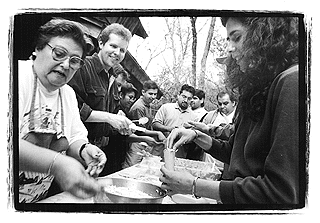 Making tamales at Travis Heights Elementary’s Winterfest photograph by John Anderson |
early in the morning. English-only speakers, bilingual parents and Spanish-only
speakers sat and spread masa on corn shucks together, filled, and rolled
the finished tamales. Working together provided them the opportunity to get
better acquainted and develop an awareness of each other’s cultures in a
relaxed and festive atmosphere. Neighborhood restaurants Las Manitas,
G�ero’s and La Reyna donated food to feed the hungry workers. Most of the
tamales they made were purchased by the parents who made them and other parents
who came to buy baked goods, crafts and poinsettias. Biggers, Lopez, and
Garcia-Lemke all agree that putting on the tamalada every year is a tremendous
amount of work, but well worth the effort. The schoolchildren proudly witness
their parents sharing their cultures and working together to benefit the
school. Now the tamalada is a permanent part of the fabric of life at Travis
Heights Elementary, helping to strengthen a sense of family and togetherness,
much the same way making tamales every year unites Hispanic families at home.
Las Posadas
Montopolis residents Manuela and Isidro Guerrero and their large family ofgrown children came to Austin from their native Monterrey, Mexico in 1970. They
brought with them a strong Catholic faith and a pride in a cultural heritage
which they actively share with their children. “They haven’t let us forget
where we came from or what our traditions are,” says son Gustavo Guerrero. For
more than 20 years the Guerrero family has celebrated las posadas during
the Christmas season, a religious and cultural activity that unites their large
family and shares their faith and cultural pride with neighbors.
The word posada means “inn” or lodging. Beginning on December 16, there
are nine evening processions reenacting Mary and Joseph’s search for lodging in
Bethlehem. Pilgrims singing and carrying candles approach a home, a church, or
a place of business three times. The “innkeepers” turn the pilgrims away two
times and then welcome them in at the third request. Once the “pilgrims” are
welcomed inside, celebrations vary. In churches and some private homes, the
ceremonies are religious in nature, with hymns and rosaries. “Some of the
families who request a posada want prayers, a rosary before they serve
refreshments,” says Guerrero. In other locations, the arrival of the pilgrims
is cause for lively festivities, almost always including the breaking of a
pi�ata. Tamales, pastries, hot chocolate, and hot fruit punch are the
traditional fare for posada parties and there is often music and dancing as
well.
The third Guerrero posada this year was at the Riverside Library branch,
2410-C E. Riverside last Wednesday. More than 150 people gathered for the
party, the 10th annual posada at the library. It included many pi�atas,
Christmas carols, a musical puppet show and refreshments such as tamales,
bu�uelos with piloncillo syrup and ponche. The same
night, a group of children from the Fairway Village Apartments marched from
their home to La Pe�a’s posada at Montopolis Recreation Center, singing
songs led by Tish Hinojosa. Once they were welcomed into the Center, they
celebrated with more music, dances, a theatrical performance, more
pi�atas, and delicious refreshments.
The Guerrero family posadas are well-known in the Montopolis neighborhood and
their fame is spreading. According to Gustavo, his mother begins to get calls
about the posadas in the late summer or early fall. They make a point of going
to the library every year and there are some families who are regulars, but
Gustavo says his mother likes to give first choice to people who have never had
a posada come to their house before. Tonight, Thursday, December 19, the family
will lead another public posada, this time to El Mexicano Restaurant on South
First Street. The nightly pilgrimages will continue until Christmas Eve,
inviting many families to experience the true spirit of the holidays.
Holiday Recipes
This punch is a standard Christmas offering in Mexican homes where visitorsare greeted with a luscious aroma as it steams on the stovetop. It calls for
several varieties of tropical fruits and fruit nectars which are more readily
available in Austin these days than ever before. Once rare exotic items such as
sugar cane, lemon grass, tamarind pods, guayaba (guava), and
membrillo (quince) can now be purchased at Fiesta, Central Market or
la Pulga — the flea market on Hwy290. Local cookbook author Lucinda
Hutson kindly shares this recipe from her book �Tequila! Cooking With
the Spirit of Mexico (TenSpeed, $16.95, paper). She allows for several
substitutions and suggests that canned tropical fruit nectars create a
wonderful flavor in the absence of fresh fruit. Though Hutson now makes this
ponche with tequila, she recalls that residents around Juarez and her
native El Paso are more likely to make it with rum. Weary Christmas pilgrims
will enjoy it with or without either of the spirits.
Ponche de Posada
1 sugar cane stalk, approx. 4 ft. long, cut in segments
3 quarts water
6 stalks lemongrass, rough outer leaves removed, cut into 3″ pieces and
slightly mashed (optional)
1 pound tejocote, a small, round yellow fruit popular in Mexico for
punches (crab apples
or assorted dried fruits can be substituted)
1 cup golden raisins
1 pound piloncillo or dark brown sugar
1 membrillo (quince), about 3/4 pound or 2 crisp Asian pears,
cut into wedges
1 pound guayaba (guava), quartered, or assorted mixed dried fruits
5 tamarind pods, peeled
1 cup jamaica (dried hibiscus flowers)
3 Granny Smith apples, sliced
6 sticks cinnamon, about 3″ long
1 tsp whole allspice
1/4 tsp whole cloves
1 lemon, sliced
2 quarts fruit nectar (such as guava, guanabana or apricot)
2 oranges, sliced
1 liter (or more) of your favorite tequila or rum
With a sharp, sturdy knife, trim away the tough peel of the sugar cane
segments; cut each segment into lengthwise quarters. Place the water in a
large, heavy non-reactive stockpot along with the lemongrass, tejocote,
dried fruits, raisins and half the piloncillo. Bring to a boil, then
reduce heat and simmer for 20 minutes. Add the membrillo (or pears),
guava, tamarindos, jamaica, apples and spices along with the fruit
nectar, sweetening with the remaining piloncillo to taste. Simmer for
about an hour or until slightly thickened and aromatic. Add the sliced citrus
fruit during the last 15 minutes. Ladle piping hot into mugs and allow guests
to add the spirits to taste. Serves 20.
There are as many varieties of tamales as there are cooks who make them. Chef
Miguel Ravago’s delicate home-style recipe uses butter and sour cream rather
than the more traditional lard in the masa. The mildly spicy poblano pepper
filling is simple to make and very satisfying. The well-known founding chef of
Fonda San Miguel restaurant shared this recipe with his good friend, Mexican
cooking teacher and author Maria Dolores Torres Yzabal for her lovely book
The Mexican Gourmet (ThunderBay Press, $39.95, hard). Banana leaves are
somewhat scarce in Austin but corn shucks for tamales can be purchased at
Fiesta and are a holiday staple in all HEB stores. This recipe can easily be
doubled.
Tamales de Chile Verde
Filling:
6 poblano or long green chilies, roasted, peeled, seeded and chopped
2 tomatoes, roasted, peeled, seeded and chopped
1 white onion, chopped
1 clove garlic, minced
a pinch of salt
Tamal Dough
11/4 cups butter, softened
1/2 cup sour cream
2 pounds masa harina
11/2 cups warm chicken or vegetable stock
1 Tbs salt, or to taste
14 trimmed banana leaves or dried corn shucks, soaked in hot water
extra banana leaves or corn shucks for lining the steamer
To make the filling, combine the peppers, tomatoes, onions, garlic, and salt.
Set aside. Whip the butter in a large mixing bowl until light and fluffy. Add
the sour cream and beat to blend completely. Slowly beat in the masa. After all
the masa is incorporated, lower the mixer speed to slow and add the stock and
salt. Mix until well-blended. Let the dough stand for five minutes. Divide the
masa among the 14 banana leaves or corn shucks, spreading it about
1/8 of an inch thick in the center of each. Spread 1 Tbs of filling
in each, roll up leaves or shucks lengthwise, then fold over the tops and
bottoms to create little packages. Line a steamer basket with the remaining
banana leaves or corn shucks and place the tamales upright, packed tightly
together. Cover with more leaves. Place the steamer basket over briskly boiling
water, cover tightly, and cook for 45 to 55 minutes, or until the masa
separates easily from the leaf when opened.
This article appears in December 20 • 1996 and December 20 • 1996 (Cover).