

Apocalypse Wow
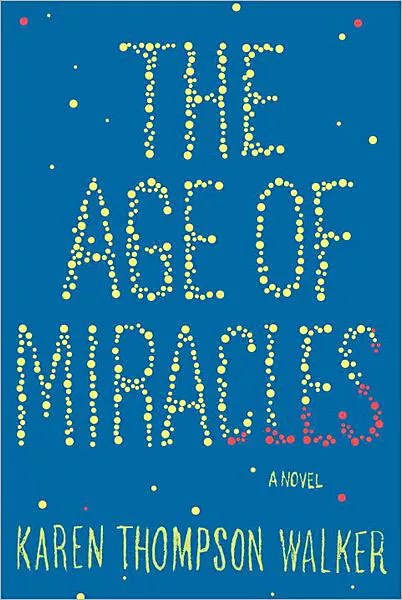
The Age of Miracles
by Karen Thompson WalkerRandom House, 288 pp., $26
In movies, we’re used to the apocalypse coming in swift, fearsome blows, but in Karen Thompson Walker’s arresting debut novel, the end of the world takes its time. The Age of Miracles foregrounds one San Diego girl’s coming-of-age against the slow-to-come realization that life on Earth is unsustainable.
Thoughtful and introverted Julia is 12 years old when the planet’s rotation inexplicably begins to slow. Days stretch to 25 hours, then 26, and on and on, triggering a domino effect of inconveniences and then calamities. Clocks become worthless, crops die, birds drop from the sky, all “rotting feathers and raisin eyes,” and prolonged daylight turns radioactive while prolonged nighttime triggers freezing temperatures. When a government mandate reinstates 24-hour “clock time” in an effort to implement some order, a small resistance swells of “real-timers” who vow to live by the new rhythms of Earth, even as it revolts against its inhabitants.
Julia narrates from an indeterminate future point, which renders the tone even, unhysterical, elegiac. But make no mistake: This book cuts bone-deep with a creeping kind of terror. There are horrors here common to end-times fiction – flora and fauna extinction, a gravity sickness that strikes indiscriminately – but it’s the more philosophical ramifications of “The Slowing” that rattle the nerves: the transience of hard fact in a world that changes overnight, every night; the tribalism that sours one neighbor against another; and the series of lasts – “It was the last time I ever tasted a grape,” Julia recalls without fanfare – that are inevitable but still a shock to the system. It almost makes a person long for the ruthless efficiency of a movie-asteroid. (Out June 26.)
This article appears in June 15 • 2012.
