

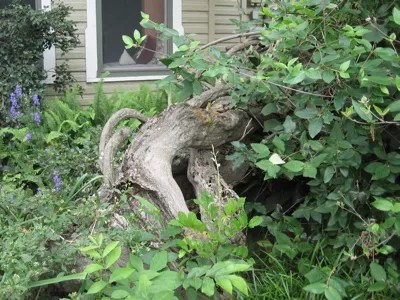
Weed: a plant that is considered by the user of the term to be a nuisance, and normally applied to unwanted plants in human-controlled settings (Wikipedia). Weed, the recreational drug, and probably the band, are of no interest today in favor of the garden variety.
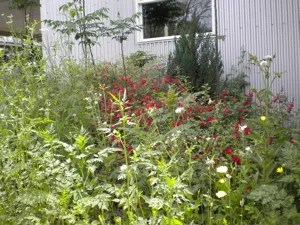
Contrary to the definition above, many of us consider weeds wanted, planned or not. Especially those among us denizens of drought who respect a limited, and expensive, water supply. I’ve felt for a long time that in the all of the gloating about Austin’s visual beauty, weeds are given short shrift. Not that newcomers would understand it at once, but it’s also good litmus test for pilgrimage. If you don’t get the bereft beauty of sunbaked, weed-choked parking lots and overgrown creek beds, and/or you don’t pause at the sight of a six-foot dandelion or a milk thistle with real girth crawling around, you have no business in Austin’s weed Eden. The sound of a Weedeater makes my skin crawl.

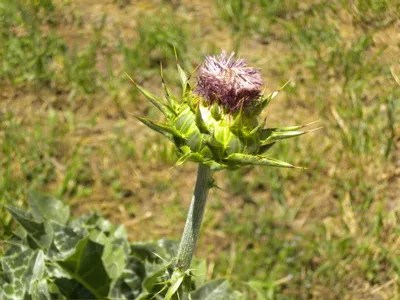

So satisfaction has been verdant this year as natural science comes forth as a decor motif like the weeds in my favorite yards. La mode for posh home decor demands wild plants on everything from towels to dishes. In fact, we wrote here about ceramics artist Laura Zindel last week. I’ve noticed that in restaurants, swank and not, neighborhood purple thistles bloom from vases on the tables. So when scanning this week’s New York Times Book Review, it was gratifying to see, with snappy green graphics overlapping the print, a review of Richard Mabry‘s Weeds: In Defense of Nature’s Most Unloved Plants. It’s about time. Apparently Mabry’s book serves as not only “a biological and cultural history of weeds in art, folklore, literature, and medicine”, but a reminder of their usefulness, as life-saving nutrition, for soil retention, and, of course, as a healing property. For weeds closer to home, Grasses, Pods, Vines, Weeds: Decoration With Texas Naturals by Quentin Steitz is a classic for good reason. Huzzah!

This article appears in July 29 • 2011.