Book Review: New in Fiction
This fast-moving whodunit is set against the upsurge in terrorism in Peru circa 2000
Reviewed by Jay Trachtenberg, Fri., May 1, 2009


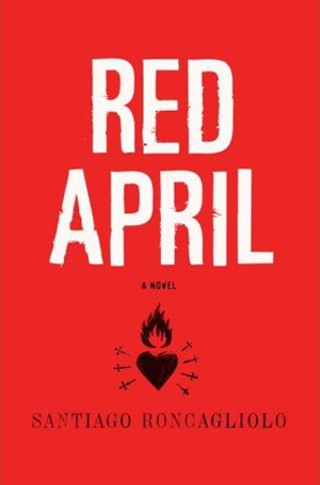
Red April: A Novel
by Santiago RoncaglioloPantheon, 288 pp., $24.95
Moments before sitting down to write this review, I quite unexpectedly came across the morning's New York Times editorial concerning the sentencing earlier in the week of former Peruvian President Alberto Fujimori to 25 years in prison for two massacres and two kidnappings during the government's 1990s campaign against Maoist insurgency group the Shining Path (or el Sendero Luminoso). The author of the piece, Maria McFarland Sánchez-Moreno, now a researcher for Human Rights Watch, expressed mixed feelings with the verdict as she recalled the chaos and subsequent fear experienced as an adolescent during that time and how relieved she felt when Fujimori's actions ultimately brought calm back to Lima. The trade-off, however, was death squads and blatant corruption. With this deliverance of justice from the court, Sánchez-Moreno suggests that in the future, Peruvians might be inclined to trust their democratic institutions, not autocratic leaders. But what happens when that violence and corruption has caused the institutions in which we put our faith to go foul? That's the disturbing crux of this compelling, 2006 Premio Alfaguara de Novela award-winning novel from Peruvian-born, Barcelona-based Roncagliolo.
On its surface an exciting and fast-moving whodunit set during Lent and Holy Week of 2000, Red April revolves around the seemingly hapless, bureaucratic public prosecutor Félix Chacaltana Saldívar as he investigates an unusual death only to find that everyone he speaks to in his inquiry soon meets a grisly demise. The extreme brutality of the murders suggests there may be a resurgence of the "terrorists" (el Sendero Luminoso). It's not particularly difficult to sense otherwise, as early on, Roncagliolo is none too subtle in narrowing the field of would-be culprits. But that's hardly the point. We're given historical insight as to why this conflict was so ugly, but, more importantly, we're forced to confront the implications and aftermath of war and how its brutality affects both the individual and the society at large. "We waged a just war, that is undeniable, but sometimes I have difficulty distinguishing between us and the enemy," bemoans Saldívar, "and when that happens, I begin to ask myself what exactly it is that we fought against." His concerns are, indeed, universal.